
AutoCAD/3D printing
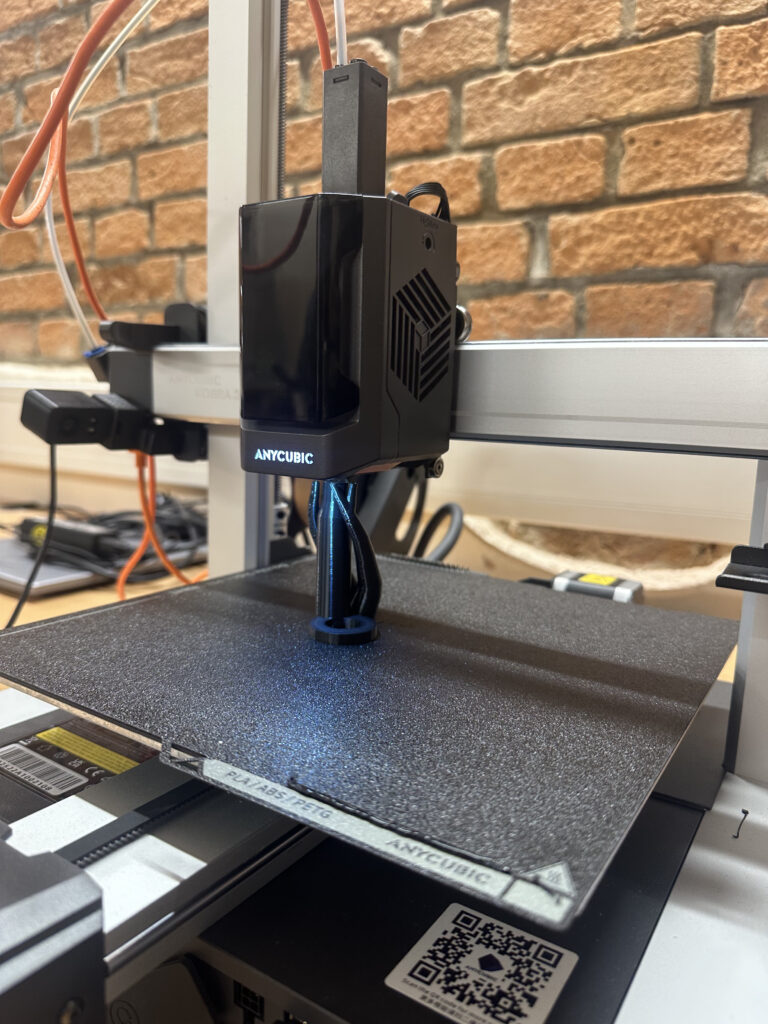
The CAD and 3D Printing internship enables participants to create dimensioned technical drawings and 3D part models using CAD software, prepare print-ready files, configure and operate 3D printers, and produce physical components. Participants optimise printing settings, finish printed objects, and perform quality checks while applying safe working practices.
Duration: 2 Weeks
Learning outcomes common to all occupations:
- Health and safety at work – complies with health and safety regulations
- Vocational foreign language – improved ability to use a foreign language (English/German) to perform tasks and to formulate short and understandable statements to communicate in the workplace.
- Personal and social competences – has a culturally and ethically sound approach, has increased creativity and consistency in their actions, copes with stress and works in a team.
- Organising work in small teams – increased ability to communicate with colleagues, organise work in a team.
Learning outcomes in the field of AutoCAD/3D printing:
The student learns/knows
- The structure of an AutoCAD system
- The function of the AutoCAD software
- How to use the operating system
- Basic setting of system parameters
- The basics of drawing in an AutoCAD programme
- How to draw complex 2D objects
General tasks
- Use CAD systems to dimension and design specified or self-generated plans and drawings to meet production requirements.
- Develop detailed designs (from a functional and material point of view)
- Finding selected or specified solutions in the form of detail drawings
- Carry out design calculations
- Dimensioning and marking design drawings (entering technical data, e.g. dimensional tolerances, surface finishes, equipment markings)
- Construct a 2D model
- Configure and explore 3D workspace
Placement:Projekt Korrekt e.V., electronics workshops at Gut Wehlitz
All the modules above and below are examples. It’s possible that we will have to modify or adapt them according to the skills of the participants or the capacities of the host company. The tasks and activities vary and depend on the practical and linguistic skills of the beneficiaries and on the needs and business volume of the companies.