img 0607

Mechanics and locksmith / CNC

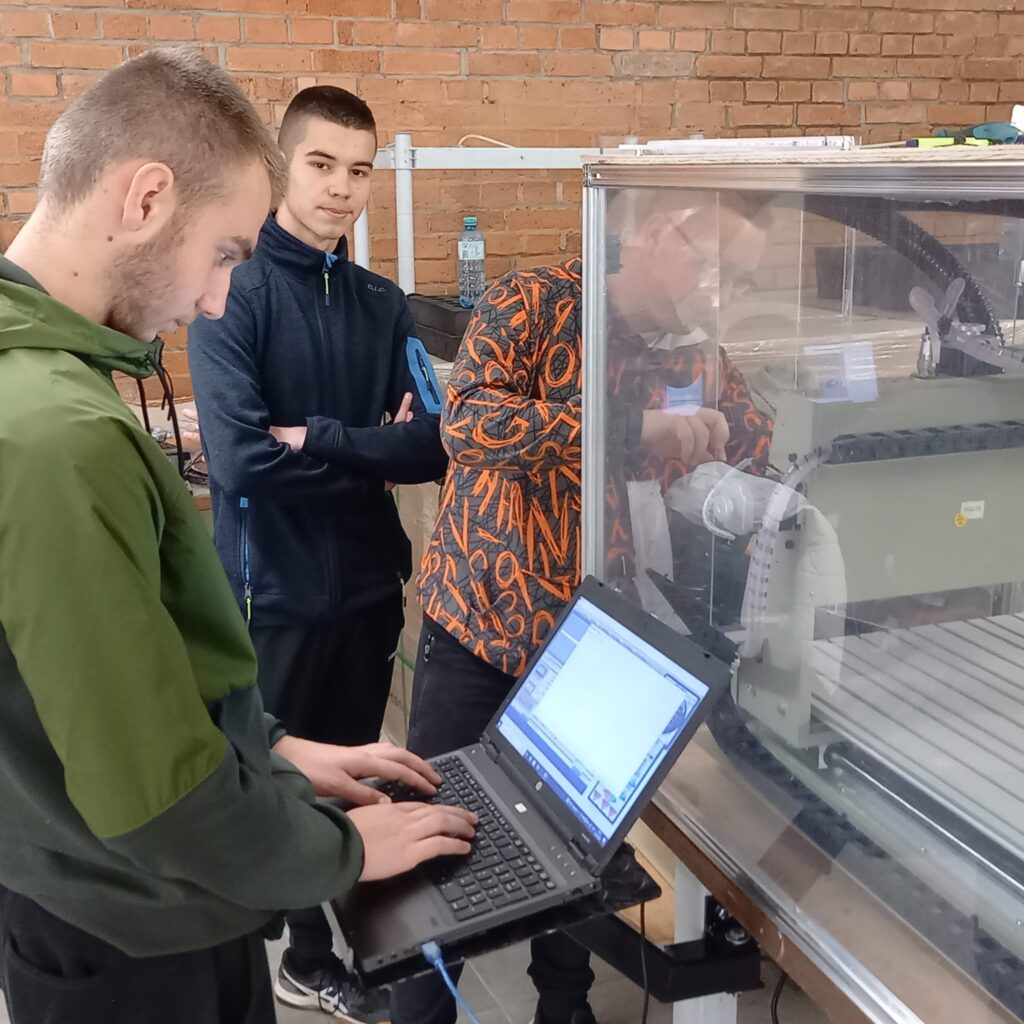
The three-week Mechanics and CNC internship enables participants to interpret technical drawings, select materials, and manufacture metal components using manual metalworking, drilling, and grinding techniques. Participants design parts using CAD/CAM software, create and simulate CNC programs, operate CNC machines, and assemble and inspect finished components while applying safe working practices and maintaining tools and equipment.

Course Duration: 3 Weeks

Projekt Korrekt e.V. – host organisation for Erasmus KA1 projects

As a host organisation, Projekt Korrekt e.V. welcomes participants from all European countries. In the last 25 years we have gained experience from more than 1500 projects in different professional fields.

We develop model projects in the framework of Erasmus and ESF, also in cooperation with small and medium-sized enterprises in the region of Leipzig and Halle.

We support the mobility of participants in the European Community and the communication between people from all over Europe.

Our project proposal for your stay in Germany:

Title:                 Mechanics and locksmith / CNC

Duration:          3 weeks

Learning outcomes common to all professions:

  • Health and safety at work – complies with health and safety regulations 
  • Vocational foreign language – improved ability to use a foreign language (English/German) to perform tasks and to formulate short and understandable statements to communicate in the workplace.
  • Personal and social skills – has a culturally and ethically sound approach, has increased creativity and consistency in their actions, copes with stress and works in a team.
  • Organising work in small teams – increased ability to communicate with colleagues, organise work in a team.

Learning outcomes: 

The student learns/knows

  • What the main metal materials are called and what their properties are
  • The basic manual metalworking techniques available, e.g. chipping, sawing, filing or bending
  • The mechanical metalworking techniques available, such as drilling, milling, grinding or turning 
  • How to read engineering drawings and tables and make simple sketches
  • How to transfer dimensions to workpieces
  • Understand the basic concepts of standardisation
  • How to use test and measurement equipment
  • Operate and monitor machine tools
  • How to select machine tools according to workpiece requirements and define tools or cutting materials taking into account manufacturing processes, material to be machined, machining stability and workpiece geometry.
  • Define and set production parameters in relation to the workpiece, material, tool and cutting material.

CNC: 

  • How to create and optimise CNC programs using standard path commands
  • Observe the regulations and safety rules when working with electrical systems, devices and equipment.
  • Inspect and prepare, assemble and disassemble components and sub-assemblies in accordance with their function and in accordance with technical documents for assembly and disassembly.
  • How to align, clamp and manually or mechanically cut or form workpieces
  • How to fabricate workpieces from different materials
  • Identify and rectify faults in the production process, e.g. machine malfunctions, or arrange for their rectification.
  • Make detachable joints (particularly by screwing) or non-detachable joints (particularly by gluing, riveting or welding), taking into account assembly guidelines.

General tasks

  • Basic metalworking exercises
  • Basic welding
  • Basic forging
  • Basic sheet metal working and finishing 
  • Basic exercises in CNC programming
  • Basic exercises in part fabrication
  • Assembly of parts
  • Care and maintenance of machines, tools, measuring instruments and other work equipment

Placement: Mechanics workshop and laboratory at Gut Wehlitz in Schkeuditz